Profile photo

Krittin Chaowakarn

chaowkri [at] cvut [dot] cz

Krittin Chaowakarn is an MSc student in Open Informatics at the Czech Technical University in Prague. He also works as a researcher with the Intelligent Machine Perception (IMPACT) group at the Czech Institute of Informatics, Robotics and Cybernetics, with a focus on robot simulation.

Previously, he completed his B.Eng. in Electrical Engineering from Sirindhorn International Institute of Technology, Thammasat University, and spent a semester at the Technical University of Munich. During this time, he conducted research on multi-object detection for autonomous vehicles.

Research

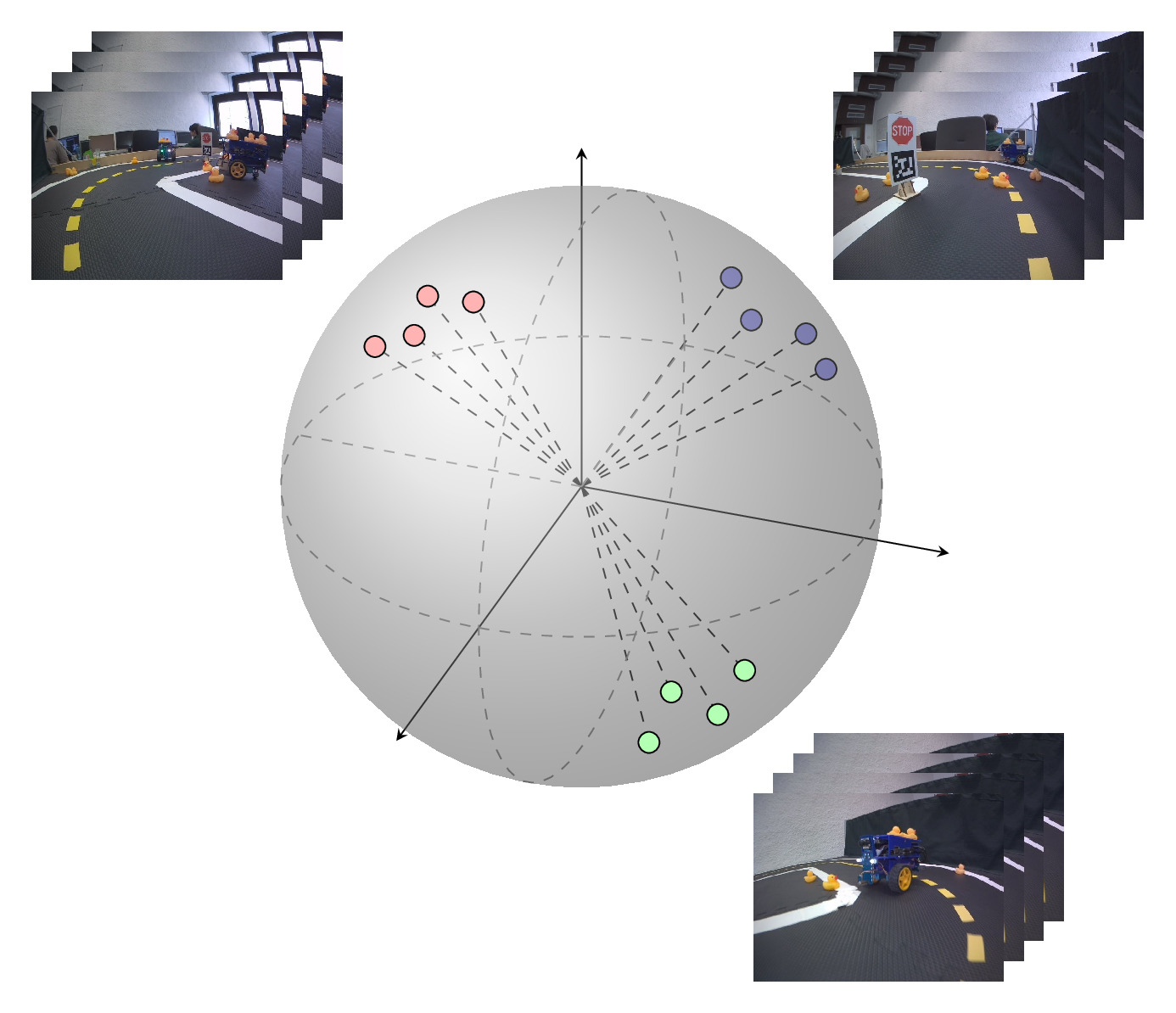
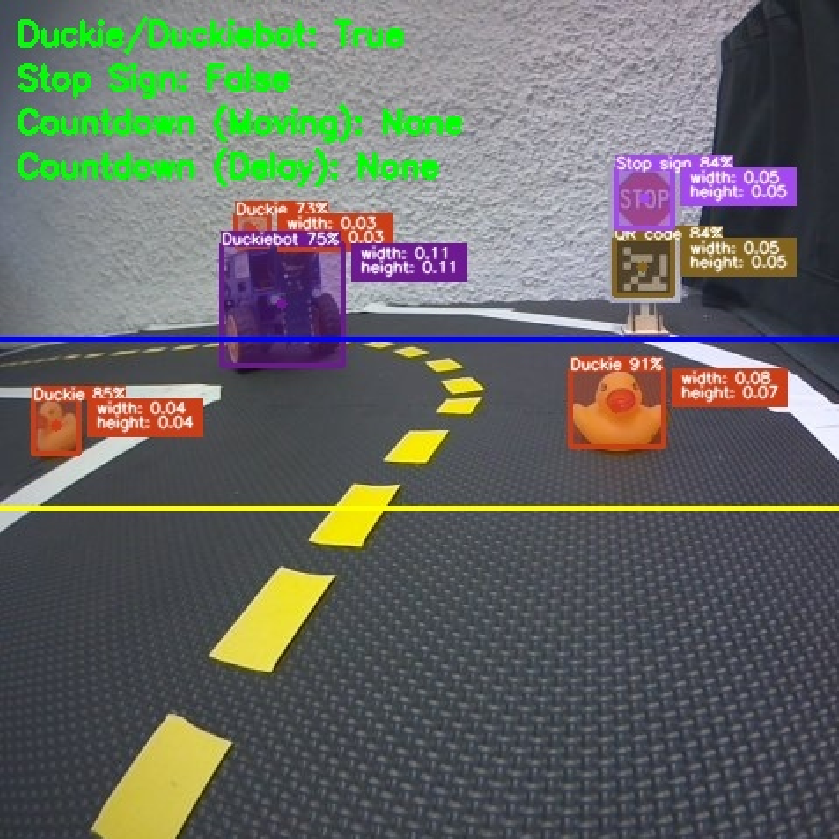
Real-Time Object Detection for Autonomous Driving: An Empirical Study in a Small-Scale Urban Environment

Krittin Chaowakarn, Michael Meidinger (PhD advisor), Andreas Herkersdorf (supervisor)
Bachelor's Thesis (TUM), 2025

A comprehensive study on object detection using Duckietown and YOLO, covering latency, throughput, and hardware utilization across YOLO versions 8–12 on NVIDIA Jetson Nano 4GB.
Senior project illustration

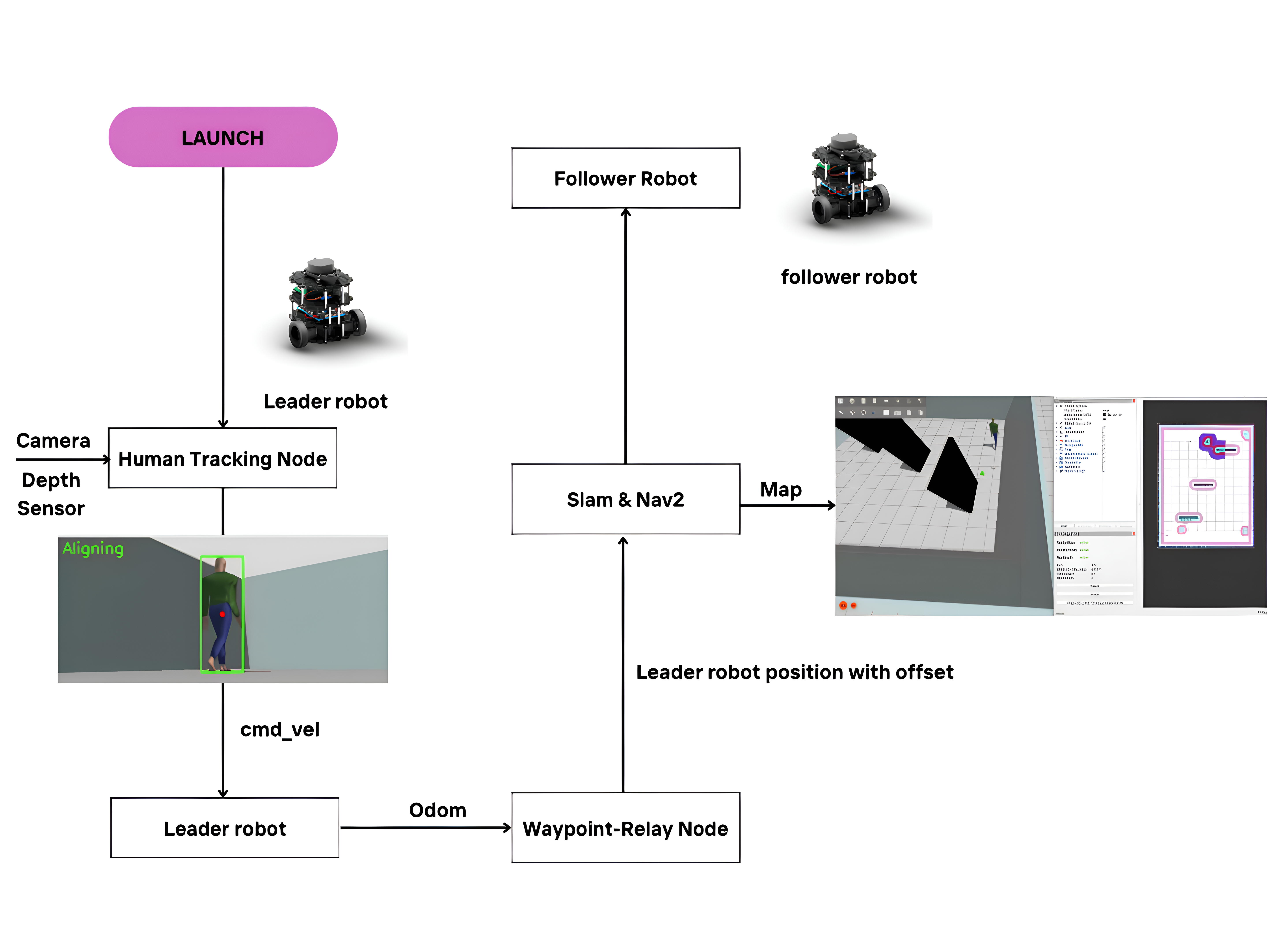
Autonomous Human Following Robot System for Multi-Perspective Visualization

Tongroth Thorng, Krittin Chaowakarn, Ned Sureechainirun, Itthisek Nilkhamhang (advisor)
Senior Project (SIIT), 2025

Contributed to multi-robot formation research using Yahboom robots and ROS 2, simulating in Gazebo, and deployed a vision-based target tracking system integrating YOLO (detection), DeepSORT (tracking), and face recognition for human-following robots.

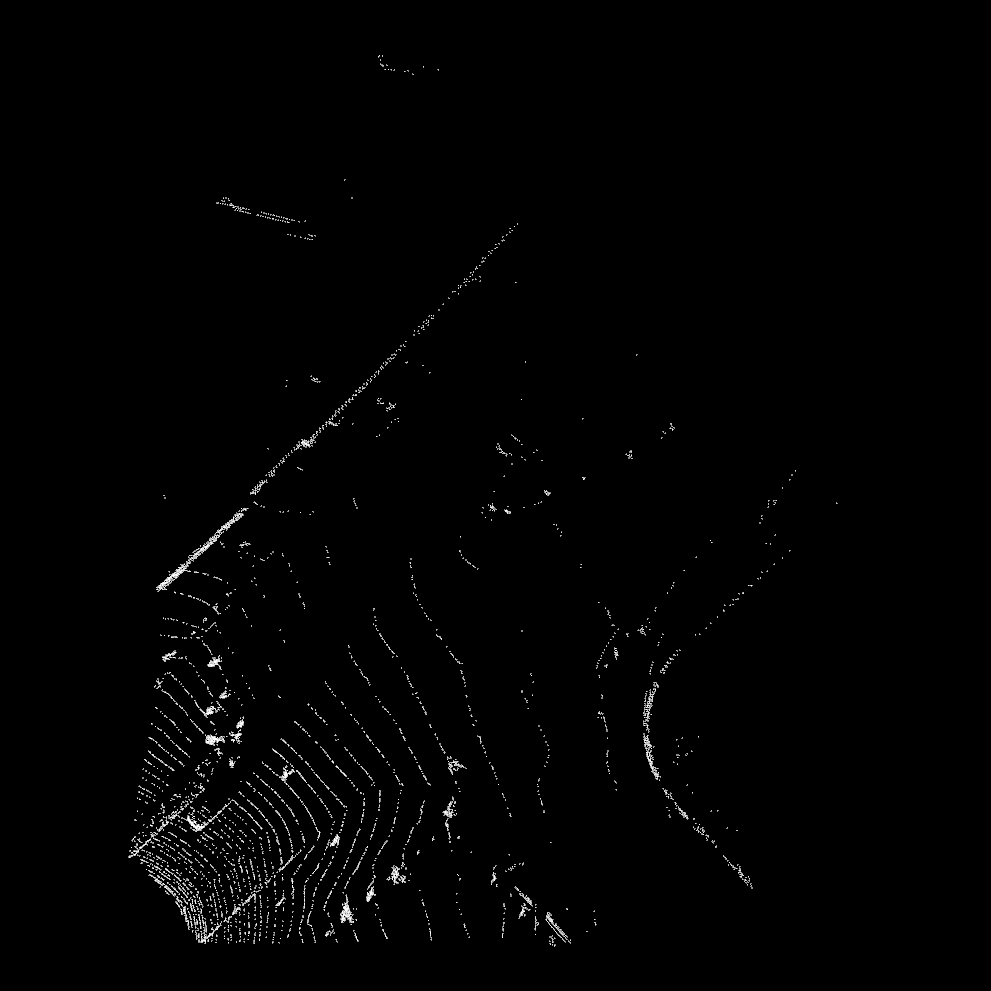
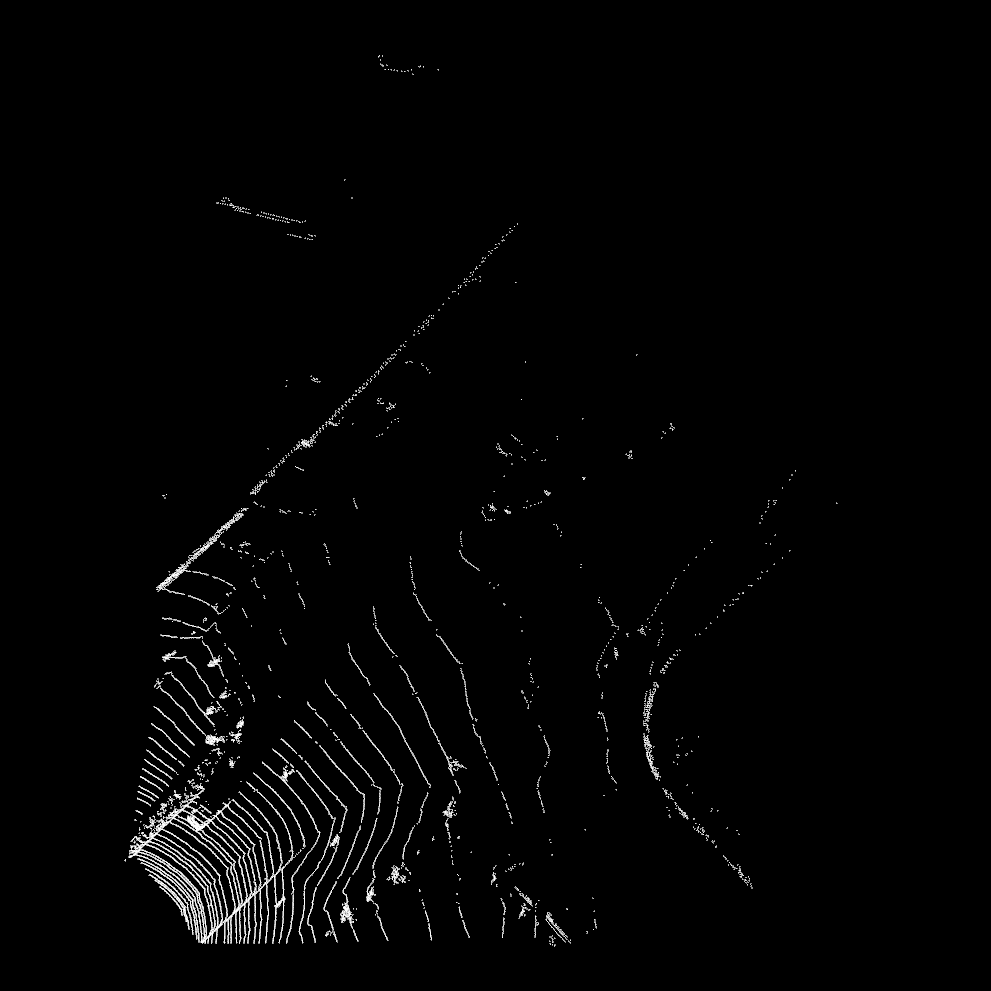
NV3D original preview NV3D filtered preview

NV3D: Leveraging Spatial Shape Through Normal Vector-based 3D Object Detection

Krittin Chaowakarn, Paramin Sangwongngam, Nang Htet Htet Aung, Chalie Charoenlarpnopparut
arXiv, 2025

Redundant LiDAR point clouds can be removed up to 55% through normal vector density-based and FOV-aware bin-based sampling.

Presented at a bilateral meeting between the National Institute of Information and Communications Technology and the National Electronics and Computer Technology Center as part of a smart city research collaboration between Thailand and Japan.

Teaching and Academic Service

He served as a teaching assistant for four laboratories and in five grading roles. He currently serves as a grader for a master's-level course*.

  • Control Systems Laboratory (Jan–May 2026)
  • Electronics and Microelectronics Laboratories (Jan–May 2026)
  • Electrical Engineering Crafting Skill (Jan–May 2026)
  • Digital Circuits Laboratory (Aug–Dec 2024)
  • Computational Mathematics: Probability — Master's Level (Mar 2026–Present)*
  • Electromagnetics (Jan–May 2024, Jan–May 2025)
  • Linear Algebra and Optimization Methods (Aug–Dec 2024)
  • Computational Tools in Electrical Engineering (Aug–Dec 2023)
  • Basic Electrical Engineering (Jan–May 2023)